Index Funds vs Individual Stocks: Which Investment Strategy Is Right for You?
Confused about whether to invest in index funds or individual stocks? This comprehensive comparison will help you choose the right investment strategy for your goals, risk tolerance, and timeline.
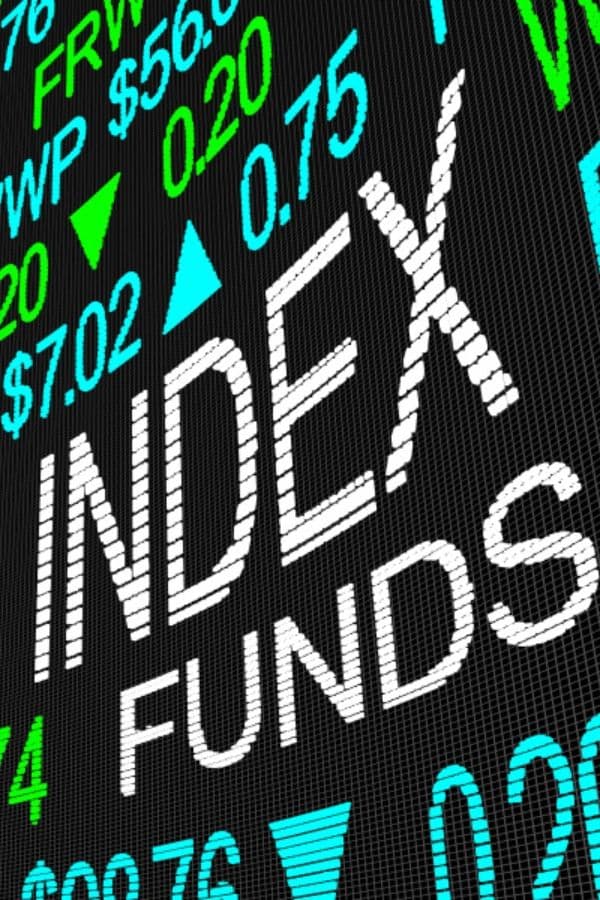
One of the most important decisions investors face is choosing between index funds and individual stocks. Let's explore both strategies to help you make the right choice.
Understanding the Basics
Index Funds
Index funds are investment funds that track a specific market index, such as the S&P 500.
How They Work:
- Hold all (or representative sample) of securities in the index
- Automatically adjust holdings as index changes
- Provide instant diversification
- Require minimal management
Popular Indexes:
- S&P 500 (large-cap US stocks)
- Total Stock Market (entire US market)
- Russell 2000 (small-cap stocks)
- MSCI World (international stocks)
- Aggregate Bond Index (bonds)
Individual Stocks
Individual stocks represent ownership in specific companies.
How They Work:
- Direct ownership in chosen companies
- Require active research and monitoring
- Offer potential for higher returns
- Come with concentrated risk
Head-to-Head Comparison
Diversification
Index Funds: Winner
- Instant diversification across hundreds/thousands of stocks
- Single fund = entire market exposure
- Reduces company-specific risk
- Eliminates single-stock catastrophic loss
Individual Stocks:
- Concentrated in few companies
- Higher risk from single company failure
- Requires many stocks for diversification
- Time-intensive to build diversified portfolio
Cost and Fees
Index Funds: Winner
- Expense ratios as low as 0.03%
- No trading commissions on most platforms
- Low turnover = minimal taxes
- Set-it-and-forget-it investing
Example:
$10,000 invested at 8% return:
- 0.04% expense ratio = $580K after 30 years
- 1.00% expense ratio = $490K after 30 years
- Difference: $90,000 lost to fees!
Individual Stocks:
- No ongoing fees (except account fees)
- Trading commissions (often $0 now)
- Time cost of research
- Potential for frequent trading = higher taxes
Time Commitment
Index Funds: Winner
- Minimal ongoing time required
- Annual rebalancing (1-2 hours/year)
- Automatic dividend reinvestment
- Perfect for busy professionals
Individual Stocks:
- Significant research time required
- Ongoing monitoring essential
- Quarterly earnings review
- News and industry tracking
- Portfolio rebalancing decisions
Time Investment:
- Index funds: 1-2 hours/year
- Individual stocks: 5-10+ hours/week
Historical Returns
Index Funds:
Historical S&P 500 returns (1926-2024):
- Average annual return: ~10%
- Worst year: -43% (2008)
- Best year: +53% (1954)
- Positive years: ~73%
Individual Stocks:
- Top performers: 100%+ annual returns possible
- Average stock: Underperforms index
- Many stocks: Decline to zero
- Only ~4% of stocks drive market returns
The Reality:
Studies show 80-90% of active stock pickers underperform index funds over 15+ years.
Risk Profile
Index Funds:
- Market risk only
- Diversification reduces volatility
- Still experience market downturns
- Recovery historically guaranteed (given time)
Individual Stocks:
- Market risk + company-specific risk
- Higher volatility
- Bankruptcy possible
- Individual companies may never recover
Skill Required
Index Funds: Winner for Most
- No special knowledge needed
- Set allocation based on age/goals
- Follow simple rebalancing rules
- Anyone can succeed
Individual Stocks:
- Requires financial analysis skills
- Understanding of:
- Financial statements
- Competitive analysis
- Industry dynamics
- Valuation metrics
- Market psychology
Most retail investors lack these skills.
Tax Efficiency
Index Funds: Winner
- Low turnover = fewer taxable events
- Long-term capital gains rates
- Tax-loss harvesting opportunities
- Qualified dividend treatment
Individual Stocks:
- Complete control over timing
- Strategic tax-loss harvesting
- But: Emotion often overrides strategy
- Frequent trading = higher taxes
Emotional Challenge
Index Funds: Easier
- Less emotional attachment
- Harder to make impulsive decisions
- Automatic investing helps
- Dollar-cost averaging simplicity
Individual Stocks: More Difficult
- Emotional investment in picks
- Harder to sell losers (anchoring bias)
- Harder to sell winners (greed)
- FOMO drives poor decisions
- Overconfidence common
When Index Funds Make Sense
Choose index funds if you:
- Are building long-term wealth
- Have limited time for investing
- Want hands-off approach
- Seek diversification
- Prefer consistent, predictable strategy
- Are new to investing
- Want tax efficiency
- Value simplicity
Ideal for:
- Retirement accounts (401k, IRA)
- College savings (529 plans)
- General wealth building
- Financial independence goals
When Individual Stocks Make Sense
Consider individual stocks if you:
- Enjoy research and analysis
- Have significant time to dedicate
- Possess financial expertise
- Can control emotions
- Want to supplement index core
- Have extra "play money"
- Accept higher risk for potential reward
- Enjoy the challenge
Ideal for:
- Small portion of portfolio (5-10%)
- Experienced investors
- Industry professionals
- Active hobby investors
The Hybrid Approach (Best for Many)
Many successful investors combine both strategies:
Core-Satellite Strategy:
Core (80-90%): Index funds
- Total stock market
- International stocks
- Bond index
Satellite (10-20%): Individual stocks
- High-conviction picks
- Industry expertise bets
- Companies you know well
Benefits:
- Diversification safety net
- Opportunity for outperformance
- Satisfies desire to pick stocks
- Limits damage from mistakes
Building Your Strategy
Step 1: Assess Your Situation
Consider:
- Investment timeline
- Risk tolerance
- Available time
- Financial knowledge
- Emotional discipline
- Income needs
Step 2: Choose Your Path
Beginner Investor:
→ Start with index funds exclusively
Experienced Investor:
→ Core index funds + satellite stocks
Professional Analyst:
→ Consider higher stock allocation (if truly skilled)
Step 3: Select Specific Investments
Index Fund Portfolio (Simple):
- 70% Total US Stock Market
- 20% Total International Stock
- 10% Bond Index
Practical tips for implementation
- Start by dollar-cost averaging: set a monthly contribution and automate it.
- Keep the satellite allocation small (5-15%) until you demonstrate consistent outperformance for several years.
- Use tax-advantaged accounts first (401(k), IRA), then taxable brokerage accounts.
- Rebalance once per year or when allocations drift by more than 5 percentage points.
Behavioral guidance
- Avoid checking portfolio value every day — it increases anxiety and impulsive trades.
- Create a written investing plan and a short checklist to follow before making stock purchases (ask: can I explain why this company will earn higher profits in 3–5 years?).
- Treat individual stock picks as speculative until verified by multi-year performance and sound fundamentals.
If you'd like, I can add an interactive allocation slider or a downloadable spreadsheet that calculates projected balances using different expense ratios and contribution rates.
Index Fund Portfolio (Advanced):
- 40% S&P 500
- 20% Mid/Small Cap
- 20% International Developed
- 10% Emerging Markets
- 10% Bonds
Step 4: Automate and Rebalance
- Set up automatic contributions
- Rebalance annually or when allocations drift 5%+
- Increase bond allocation as you age
Common Mistakes to Avoid
Index Fund Mistakes
- Chasing performance: Stick to broad market indexes
- Overcomplicating: Simple is better
- Frequent trading: Buy and hold
- Neglecting international: Include global exposure
- High-fee funds: Stick to low-cost options
Individual Stock Mistakes
- Overconcentration: Don't put all eggs in one basket
- Falling in love: Sell losers promptly
- Following tips: Do your own research
- Timing the market: Time in > timing
- Ignoring valuation: Price matters
The Verdict
For most investors, index funds are the superior choice. They offer:
- Better long-term returns than most stock pickers achieve
- Lower costs and taxes
- Less time commitment
- Reduced stress and emotional burden
- Appropriate diversification
Individual stocks have a place but should typically represent a small portion of most portfolios.
Action Plan
If you're just starting:
- Open a brokerage account (Vanguard, Fidelity, Schwab)
- Invest in low-cost index funds
- Automate monthly contributions
- Don't touch it for decades
- Rebalance annually
If you want to add stocks:
- Ensure 80%+ is in index funds first
- Only invest what you can afford to lose
- Research thoroughly before buying
- Set clear sell rules in advance
- Track performance honestly
If you're all stocks:
- Compare your returns to S&P 500
- Be honest about time and stress
- Consider transitioning to hybrid approach
- Keep detailed records for taxes
The Bottom Line
Index funds win for most investors most of the time. They're the investing equivalent of getting an A without studying—simple, effective, and nearly guaranteed to work.
Individual stocks can enhance returns for skilled, dedicated investors but come with significant time requirements and risks.
Choose the strategy that matches your skills, time, and temperament. For most people, that means index funds with perhaps a small side helping of individual stocks for fun.
Remember: The best investment strategy is one you'll actually stick with through market ups and downs.