How to Create a Personal Budget That Actually Works
A practical, step-by-step guide to creating and sticking to a personal budget — with templates and examples.
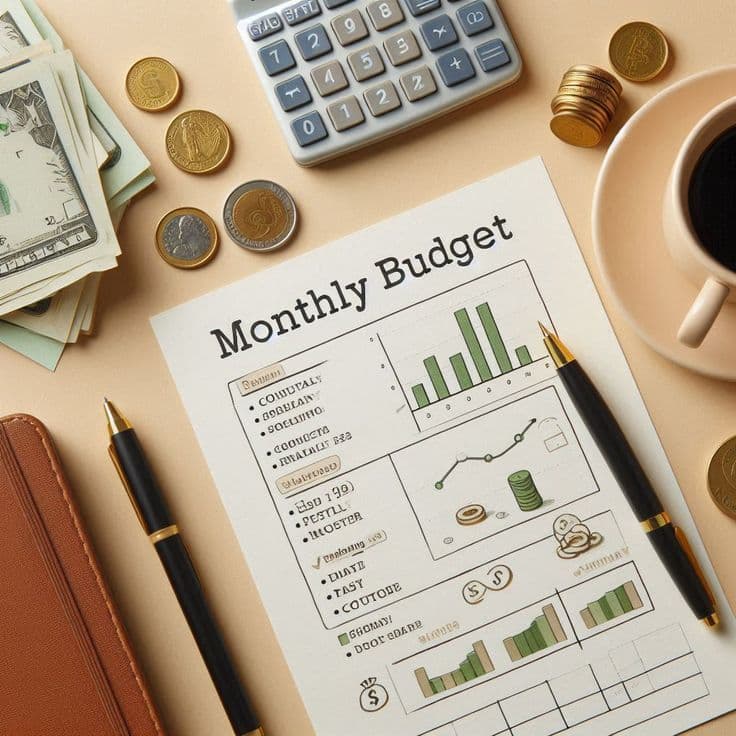
A simple, realistic budget helps you reach goals, lower stress, and take control of your money. This guide shows you a repeatable process and practical templates.
Why budgeting matters
Budgeting is not about restriction — it's about clarity. When you know where your money is going, you're able to make conscious decisions: save for an emergency fund, pay down debt, or invest more. Even small weekly reviews compound into big gains over time.
Step 1 — Know your monthly net income
Start with the money you actually receive — after taxes and deductions. Include:
- Paychecks (after taxes)
- Regular freelance or side-income (use an average)
- Any recurring benefits or pensions
Total this number first — it's your budget baseline.
Step 2 — Track recurring monthly expenses
List fixed and semi-fixed expenses:
- Rent or mortgage
- Utilities (electric, water, internet)
- Insurance (health, auto)
- Loan payments
- Subscriptions (streaming, software)
Assign exact amounts where possible. If a category varies (groceries, gas), estimate based on 3 months of history.
Step 3 — Set savings and debt-paydown goals
Prioritize these goals:
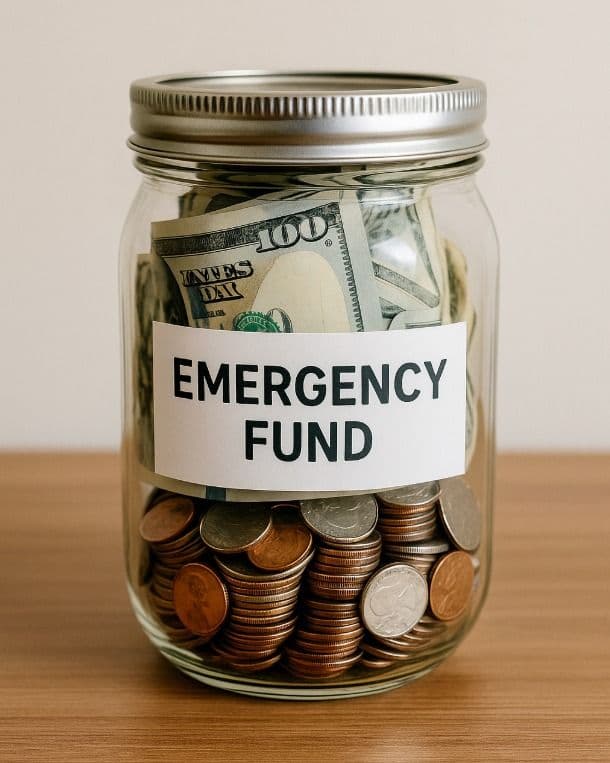
- Emergency fund (start with $500–$1,000 for beginners)
- High-interest debt payoff (cards, short-term loans)
- Retirement contributions (401(k), IRA)
Treat savings as a recurring expense. Automate transfers to a savings or debt account.
Step 4 — Create flexible buckets
Use buckets for variable spending:
- Groceries
- Transport
- Entertainment
- Personal care
- Home maintenance
Allocate realistic amounts and adjust monthly. If you overspend one bucket, cover it by cutting another.
Example 50/30/20 template (starter)
- Needs (50%): rent, utilities, minimum debt payments
- Wants (30%): dining, streaming, hobbies
- Savings (20%): emergency fund, retirement, extra debt payments
This is a starting point — many people need to tweak percentages for their situation.
Step 5 — Weekly check-in and monthly review
Small, consistent habits win:
- Weekly: quick check of spending vs. buckets
- Monthly: adjust estimates, move goals forward, celebrate wins
Budget tools and templates
Use a simple spreadsheet or one of these approaches:
- Zero-based budgeting (assign every dollar a job)
- Envelope method (digital or cash envelopes)
- Percentage-based (like 50/30/20)
Pick one method and stick with it for 3 months. Adapt as life changes.
Common mistakes and how to avoid them
- Overly strict budgets that don’t match reality — start conservative.
- Ignoring irregular expenses — create a sinking fund bucket for annual costs.
- Not automating: automation prevents missed saving or bill payments.
Next steps
- Export three months of transactions and categorize them.
- Pick a template and set up automated transfers.
- Revisit the budget at month-end and tune categories.
If you'd like, we can add an interactive spreadsheet template and calculators to this guide.