Beginner's Guide to Building an Emergency Fund
Learn why an emergency fund is crucial for financial security and discover practical strategies to build yours from scratch, even on a tight budget.
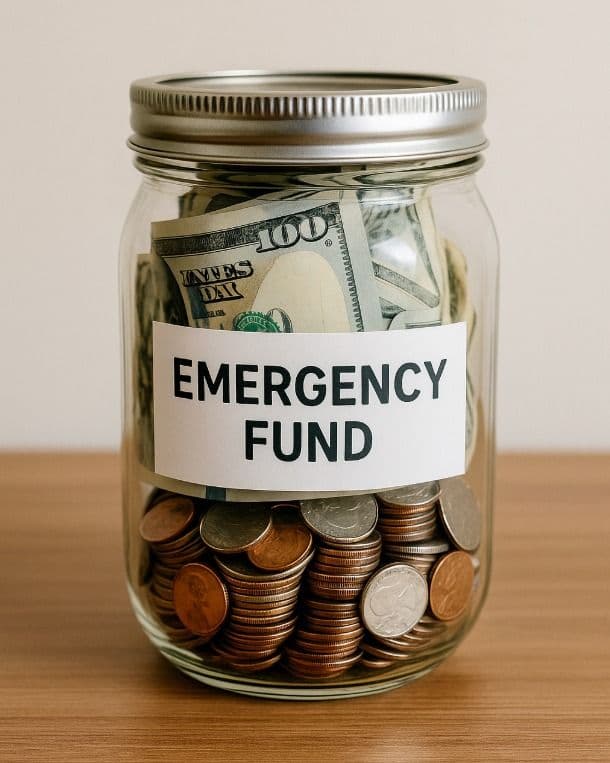
An emergency fund is your financial safety net, protecting you from unexpected expenses and life's curveballs. Here's everything you need to know about building one.
Why You Need an Emergency Fund
Life is unpredictable. Whether it's a medical emergency, car repair, or job loss, having cash reserves prevents you from going into debt when unexpected expenses arise.
Key Benefits
- Reduces financial stress and anxiety
- Prevents credit card debt accumulation
- Provides stability during job transitions
- Covers unexpected medical expenses
- Protects against home and auto repairs
How Much Should You Save?
Financial experts typically recommend saving 3-6 months of living expenses. However, your target should depend on:
- Job stability and income reliability
- Number of dependents
- Health status
- Home and auto condition
- Insurance coverage quality
Starting Targets
If 3-6 months seems overwhelming, start with these milestones:
- $500 for minor emergencies
- $1,000 for basic security
- One month of expenses
- Three months of expenses
- Six months or more
Where to Keep Your Emergency Fund
Your emergency fund should be:
- Accessible: Available within 1-2 business days
- Safe: FDIC-insured accounts
- Separate: Not mixed with everyday spending
Best Account Options
- High-yield savings accounts: 4-5% APY in 2025
- Money market accounts: Competitive rates with check-writing
- Online banks: Higher interest than traditional banks
Avoid keeping emergency funds in:
- Checking accounts (too accessible for impulse spending)
- Long-term CDs (penalties for early withdrawal)
- Investment accounts (market volatility risk)
Step-by-Step Building Strategy
Step 1: Calculate Your Target
Total your essential monthly expenses:
- Rent/mortgage
- Utilities
- Groceries
- Transportation
- Insurance premiums
- Minimum debt payments
Multiply by 3-6 for your target amount.
Step 2: Start Small
Begin with whatever you can afford:
- $25 per week = $1,300 per year
- $50 per paycheck = $1,200-1,300 per year
- 10% of income
Step 3: Automate Your Savings
Set up automatic transfers on payday. "Out of sight, out of mind" makes saving effortless.
Step 4: Find Extra Money
Boost your savings by:
- Cutting one subscription service
- Reducing dining out by 25%
- Selling unused items
- Taking on a side gig
- Banking windfalls (tax refunds, bonuses)
Maintaining Your Emergency Fund
Once you've built your fund:
- Replenish after withdrawals immediately
- Increase with major life changes
- Review annually and adjust for inflation
- Celebrate your achievement!
When to Use Your Emergency Fund
Appropriate uses include:
- Unexpected medical expenses
- Essential car or home repairs
- Job loss income replacement
- Emergency travel (family illness)
NOT appropriate uses:
- Vacations or holidays
- New gadgets or electronics
- Routine car maintenance
- Known annual expenses
What If You Don't Have an Emergency Fund?
If unexpected expenses hit before you're prepared:
- Explore 0% APR credit cards carefully
- Consider personal loans (compare rates)
- Ask family for help with clear repayment terms
- Negotiate payment plans with providers
- Look into community assistance programs
Then, commit to building your fund immediately.
Conclusion
Building an emergency fund takes time and discipline, but it's one of the most important financial steps you can take. Start small, stay consistent, and watch your financial security grow.
Remember: The best time to plant a tree was 20 years ago. The second-best time is now. Start your emergency fund today.
Quick action checklist
- Calculate your monthly essentials and set a 3-month target.
- Automate a weekly or monthly transfer to a separate high-yield savings account.
- Build the first $500 as a short-term goal, then scale to $1,000.
- Use a sinking-fund bucket for annual or irregular expenses so your emergency fund remains intact.
Helpful resources
- AnnualCreditReport.com — check credit if you're worried about a job-related setback
- Compare high-yield savings accounts at Bankrate or NerdWallet
- Consider a credit card with a short 0% emergency option only as a last resort
If you'd like, I can also add an interactive savings calculator or a downloadable spreadsheet to this article.