What Affects Your Credit Score? Understanding the Key Factors
Your credit score impacts your financial life significantly. Learn what factors affect your score and discover actionable strategies to improve and maintain excellent credit.
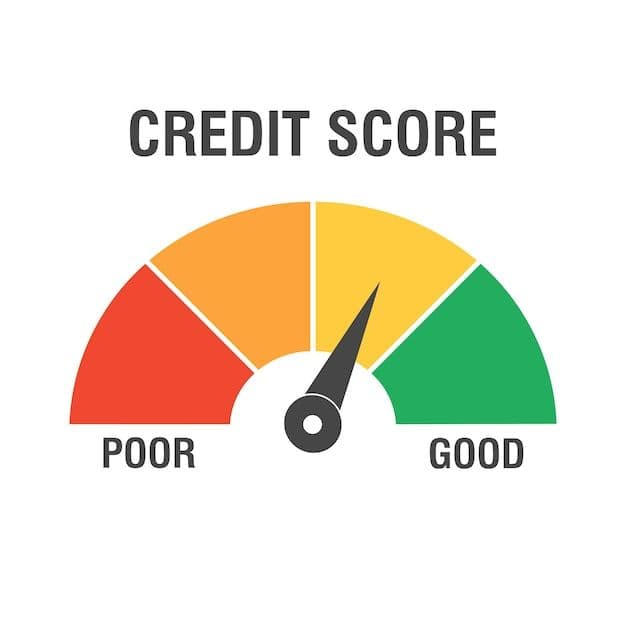
Your credit score is one of the most important numbers in your financial life. Understanding what affects it is the first step toward building and maintaining excellent credit.
Credit Score Basics
Credit scores range from 300 to 850, with higher scores indicating lower credit risk.
Score Ranges
- 800-850: Exceptional
- 740-799: Very Good
- 670-739: Good
- 580-669: Fair
- 300-579: Poor
The Five Key Factors
1. Payment History (35%)
Your payment history is the most significant factor affecting your credit score.
What Counts:
- On-time payments boost your score
- Late payments (30+ days) hurt significantly
- Defaults, collections, and bankruptcies cause major damage
Impact Duration:
- Late payments: Up to 7 years
- Bankruptcies: 7-10 years
- Collections: Up to 7 years
How to Improve:
- Set up automatic payments
- Use payment reminders
- Pay bills as soon as possible
- Contact creditors before missing payments
- Negotiate payment plans if struggling
2. Credit Utilization (30%)
This measures how much credit you're using compared to your available credit.
The Formula:
Credit Utilization = (Total Balances / Total Credit Limits) × 100
Optimal Utilization:
- Under 30% is good
- Under 10% is excellent
- 0% isn't ideal (show some activity)
How to Improve:
- Pay down high balances
- Request credit limit increases
- Spread balances across cards
- Pay twice per month
- Keep old cards open
3. Length of Credit History (15%)
The longer your credit history, the better.
What's Measured:
- Age of oldest account
- Age of newest account
- Average age of all accounts
Why It Matters:
Longer histories provide more data about your credit behavior, making you less risky to lenders.
How to Improve:
- Keep old accounts open and active
- Become an authorized user on established accounts
- Start building credit early
- Avoid opening many new accounts quickly
4. Credit Mix (10%)
Having different types of credit shows you can manage various accounts responsibly.
Credit Types:
- Revolving: Credit cards, lines of credit
- Installment: Mortgages, auto loans, student loans
- Open: Utilities, phone bills (if reported)
How to Improve:
- Don't open accounts just for mix
- Let your credit mix develop naturally
- Focus on payment history first
5. New Credit (10%)
Opening several accounts in a short time can hurt your score.
What Affects This:
- Recent credit inquiries
- Number of new accounts
- Time since recent applications
Hard vs. Soft Inquiries:
- Hard: Applying for credit (affects score)
- Soft: Checking your own score (no impact)
How to Improve:
- Space out credit applications
- Use rate shopping windows for mortgages/auto loans
- Limit unnecessary credit applications
Additional Factors to Consider
Public Records
- Bankruptcies
- Tax liens
- Civil judgments
- Foreclosures
These can severely damage credit and remain for years.
Account Management
- Closed accounts (especially with balances)
- Paid collections (still show up)
- Account disputes
Common Credit Score Myths
Myth 1: Checking Your Score Hurts It
False. Checking your own credit is a soft inquiry and doesn't affect your score.
Myth 2: Carrying a Balance Improves Your Score
False. Paying in full each month is better. You don't need to pay interest to build credit.
Myth 3: Closing Cards Improves Your Score
False. Closing cards reduces available credit and can hurt utilization ratios.
Myth 4: Income Affects Your Score
False. Credit scores don't consider income, though lenders do.
Myth 5: All Credit Bureaus Have the Same Score
False. Scores can vary between Equifax, Experian, and TransUnion.
Improving Your Credit Score
Quick Wins (30-90 Days)
- Pay down high-balance cards
- Become an authorized user
- Request credit limit increases
- Dispute errors on credit report
Medium-Term Strategies (3-12 Months)
- Establish consistent on-time payments
- Reduce overall debt
- Diversify credit mix naturally
- Avoid new credit applications
Long-Term Building (1+ Years)
- Maintain low utilization consistently
- Keep accounts open and active
- Build lengthy payment history
- Recover from past negative items
Monitoring Your Credit
Free Resources
- AnnualCreditReport.com (official source)
- Credit Karma (scores + monitoring)
- Credit Sesame (monitoring + alerts)
- Mint (score tracking)
What to Check
- Personal information accuracy
- Account details and balances
- Payment history
- Hard inquiries
- Public records
Review all three credit bureaus annually and dispute any errors immediately.
When Credit Scores Matter Most
- Mortgage applications
- Auto loan rates
- Credit card approvals
- Rental applications
- Insurance premiums
- Employment checks (some industries)
Recovering from Bad Credit
If your score is low:
- Get current on all accounts
- Set up payment reminders
- Create a debt payoff plan
- Consider credit counseling
- Build positive history gradually
Recovery takes time, but it's achievable with consistent effort.
Conclusion
Your credit score reflects your financial responsibility and impacts many aspects of your life. Focus on payment history, keep utilization low, and be patient as you build credit over time.
Remember: Building good credit is a marathon, not a sprint. Small, consistent actions compound into excellent credit over time.
If you'd like more help, check our other guides on personal finance or contact us for tailored suggestions — increasing your score is a step-by-step process and support can speed progress.