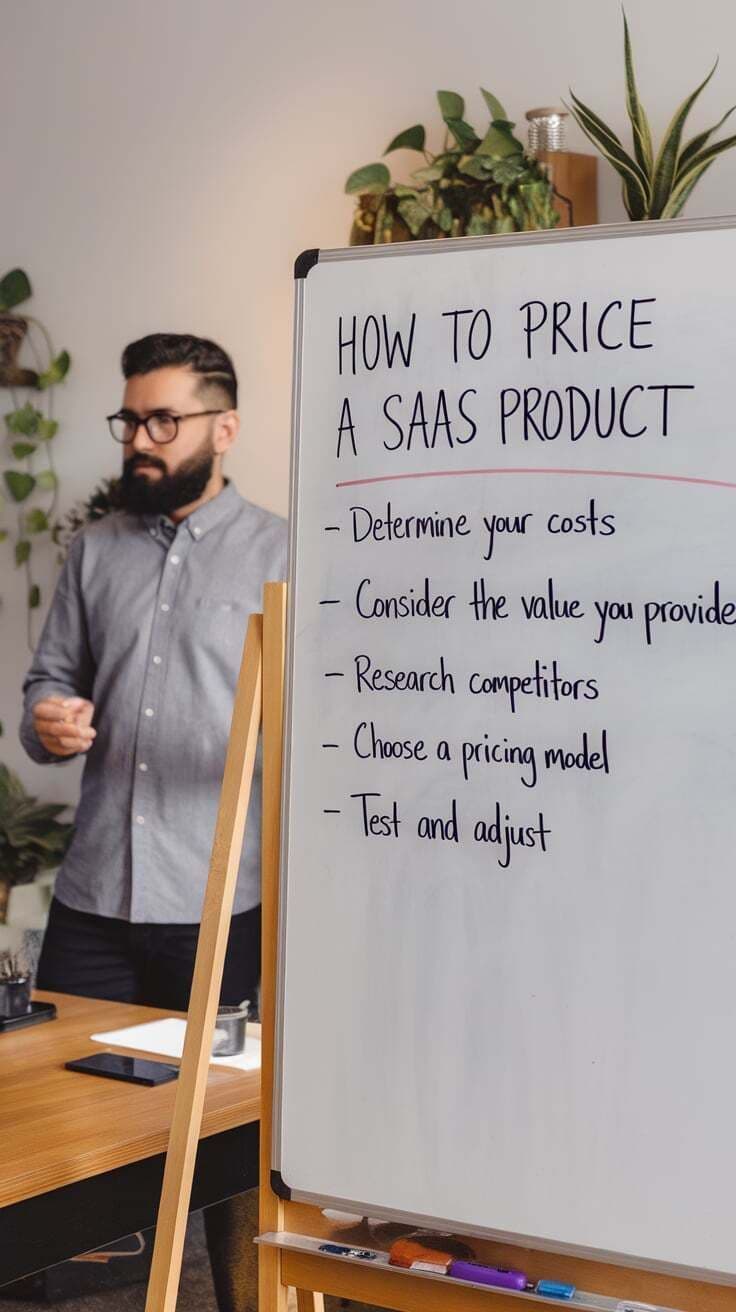
The Future of SaaS in 2026: AI Agents, Vertical Integration, and the End of per-Seat Pricing
The SaaS landscape is shifting beneath our feet. As AI agents replace workflows and vertical SaaS dominates niche markets, the old playbooks are being rewritten. Here is what to expect.

The Software-as-a-Service (SaaS) model had a golden decade. From 2010 to 2020, the playbook was simple: move on-premise software to the cloud, charge a monthly subscription per user, and watch the Recurring Revenue (ARR) graph go up and to the right.
But as we settle into 2026, the cracks in that model are turning into canyons. The combination of Generative AI, market saturation, and buyer fatigue is forcing a massive evolution.
Here are the three defining trends that will shape the next era of software.
1. The Death of "Per-Seat" Pricing
For years, "per seat" (charging per user) was the holy grail. It aligned revenue with company growth. But AI has broken this logic.
The AI Paradox
If a company uses an AI agent to automate customer support, they might fire 10 support agents. Under the old model, the SaaS vendor loses 10 seats of revenue—even though their software is now providing more value than ever.
The Rise of Outcome-Based Pricing
We are seeing a rapid shift toward usage-based and outcome-based pricing.
- Old Way: $50/user/month for CRM software.
- New Way: $0.50 per qualified lead generated, or $0.10 per support ticket resolved.
This aligns the vendor's incentives with the customer's success. If the AI solves the problem, the vendor gets paid. If it doesn't, they don't.
2. Vertical SaaS Eats the World
"Horizontal" SaaS (tools for everyone, like Slack, Zoom, or Salesforce) is a saturated, bloody red ocean. The real growth is now in Vertical SaaS—software purpose-built for a specific industry.
Why Vertical Wins
Generic tools are "good enough" for everyone, but perfect for no one.
- Horizontal: A project management tool used by construction companies, ad agencies, and hospitals.
- Vertical: A project management tool specifically for roofers, integrated with satellite imagery measurements, material ordering from local suppliers, and insurance claim automation.
In 2026, we are seeing deep vertical solutions for incredibly niche markets:
- ERP for craft breweries
- Patient management for mobile veterinarians
- Supply chain tracking for artisanal coffee roasters
These tools become the "operating system" for the business, making them incredibly sticky (low churn).
3. Creating "Systems of Intelligence," Not Just Record
In the past, SaaS was a "System of Record." It was a database where you typed in data (Salesforce for customers, Workday for employees). It was a chore.
Now, SaaS must be a "System of Intelligence."
The Active Participant
Modern software doesn't just store data; it acts on it.
- Old: You log a sales call note.
- New: The software listens to the call, transcribes it, updates the CRM fields, drafts a follow-up email for you to approve, and schedules the next meeting.
Users no longer want to pay to do data entry. They pay for software that removes work.
4. The Consolidation Wave
The average enterprise uses over 100 SaaS applications. This "SaaS sprawl" is unmanageable. CIOs are tired of managing 100 logins, 100 invoices, and 100 security audits.
We are entering the "Great Bundling."
- Platforms like Microsoft, HubSpot, and Atlassian are swallowing up smaller point solutions to offer a "Unified Suite."
- Startups can no longer survive as a "feature." They must build a platform or be acquired.
Summary: Adapt or Die
The days of "build a CRUD app, charge $10/month, and get rich" are over. The bar has been raised.
To win in 2026, software must:
- Do the work, not just store the work (AI Agents).
- Speak the language of the specific customer (Vertical SaaS).
- Charge for results, not just access (Outcome Pricing).
The software industry isn't dying; it's just growing up.